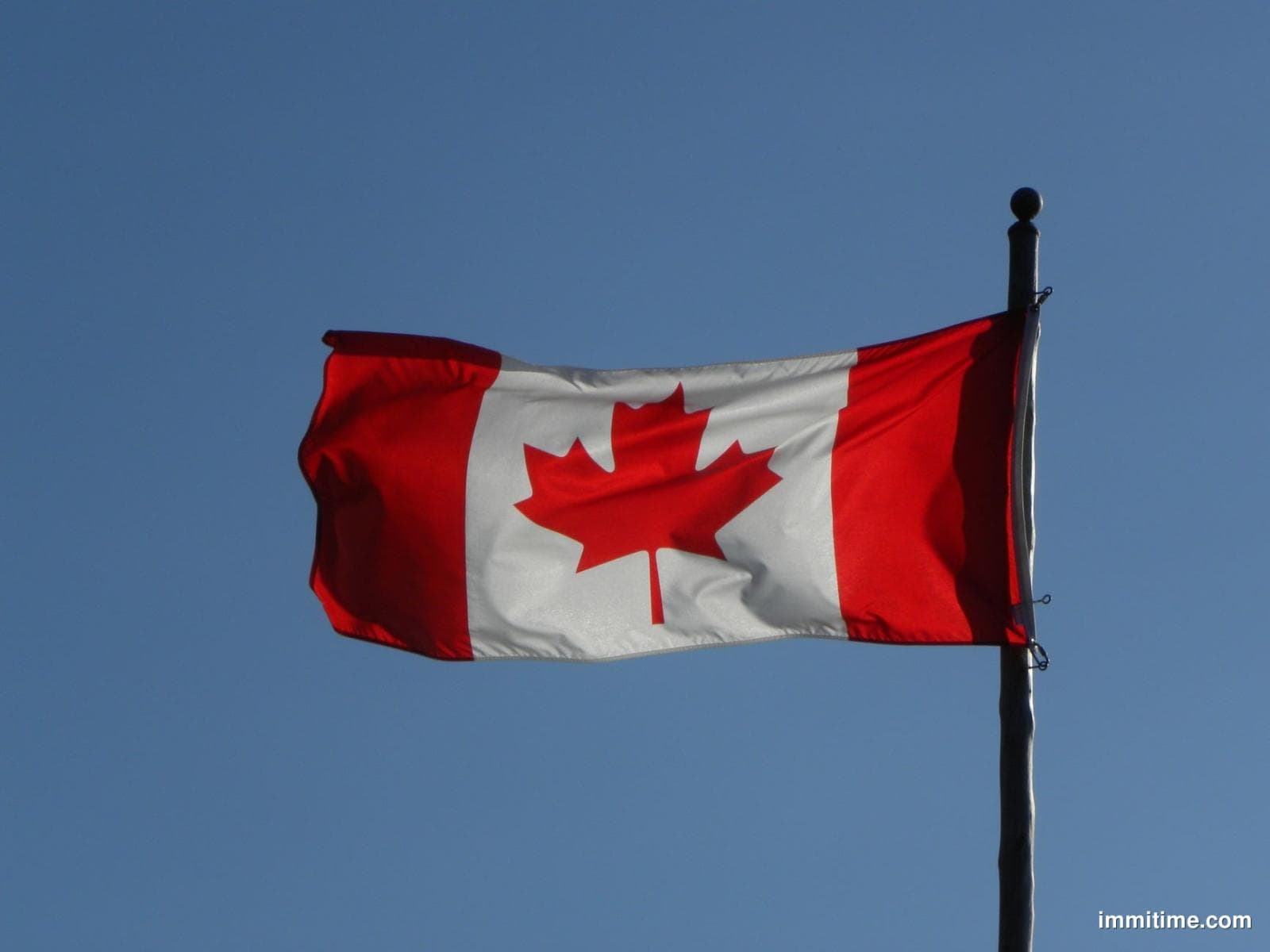
After the US Supreme Court Ruling on Trans Athletes, a Canadian Citizenship Path Draws Attention
A June 30 Supreme Court ruling upheld state bans on transgender athletes. For families with Canadian roots, Bill C-3 may mean a claim to Canadian citizenship by descent already exists.
Free Immigration Assessment
Complete our smart assessment form to check your eligibility for over 80+ Canadian immigration programs.
Key Takeaways
- On June 30, the US Supreme Court upheld state bans on transgender athletes in girls' and women's sports in a 6-3 ruling.
- The decision, in West Virginia v. B.P.J. and Little v. Hecox, kept West Virginia and Idaho laws intact and reinforced similar laws in more than two dozen states.
- Under Bill C-3, many American families with a Canadian ancestor may already hold a claim to Canadian citizenship by descent.
On June 30, the US Supreme Court upheld state bans on transgender student athletes competing in girls' and women's sports. The 6-3 decision in West Virginia v. B.P.J. and Little v. Hecox left laws in West Virginia and Idaho intact and strengthened comparable measures in more than two dozen states. It followed a series of recent rulings touching gender-affirming care, military service, and passport gender markers.
For a parent of a transgender child in one of those states, the ruling raises a practical question about options — and for many American families, one answer may be sitting, unread for decades, in a filing cabinet: a Canadian ancestor. Under a law that changed in December, that ancestor can mean the whole family already holds a claim to Canadian citizenship.
How Canada compares
Canada takes a markedly different approach to the inclusion of transgender people, both generally and in sport. Gender identity and expression are protected grounds under human-rights law in every Canadian province. U Sports, which governs university athletics, allows athletes to compete according to gender identity, and many provincial school-sport associations maintain inclusion policies. That said, the deeper value of Canadian citizenship has little to do with sport: a second passport confers the ability to choose, and many Americans who apply for a Canadian passport have no intention of relocating.
Why so many Americans now qualify
The change stems from Bill C-3, which took effect in December 2025. It removed the old generational limit on citizenship by descent — the rule that cut off inherited citizenship after one generation born outside Canada. Citizenship by descent is citizenship inherited through an ancestor rather than earned through residence. Trace an unbroken line to a Canadian-born ancestor and, if you were born before December 15, 2025, you have a claim no matter how many generations back that ancestor sits. There is no language test, no residency requirement, and no exam. You do not apply to become Canadian; if you qualify, you already are, and you apply for the certificate that proves it.
Finding a Canadian ancestor in your line
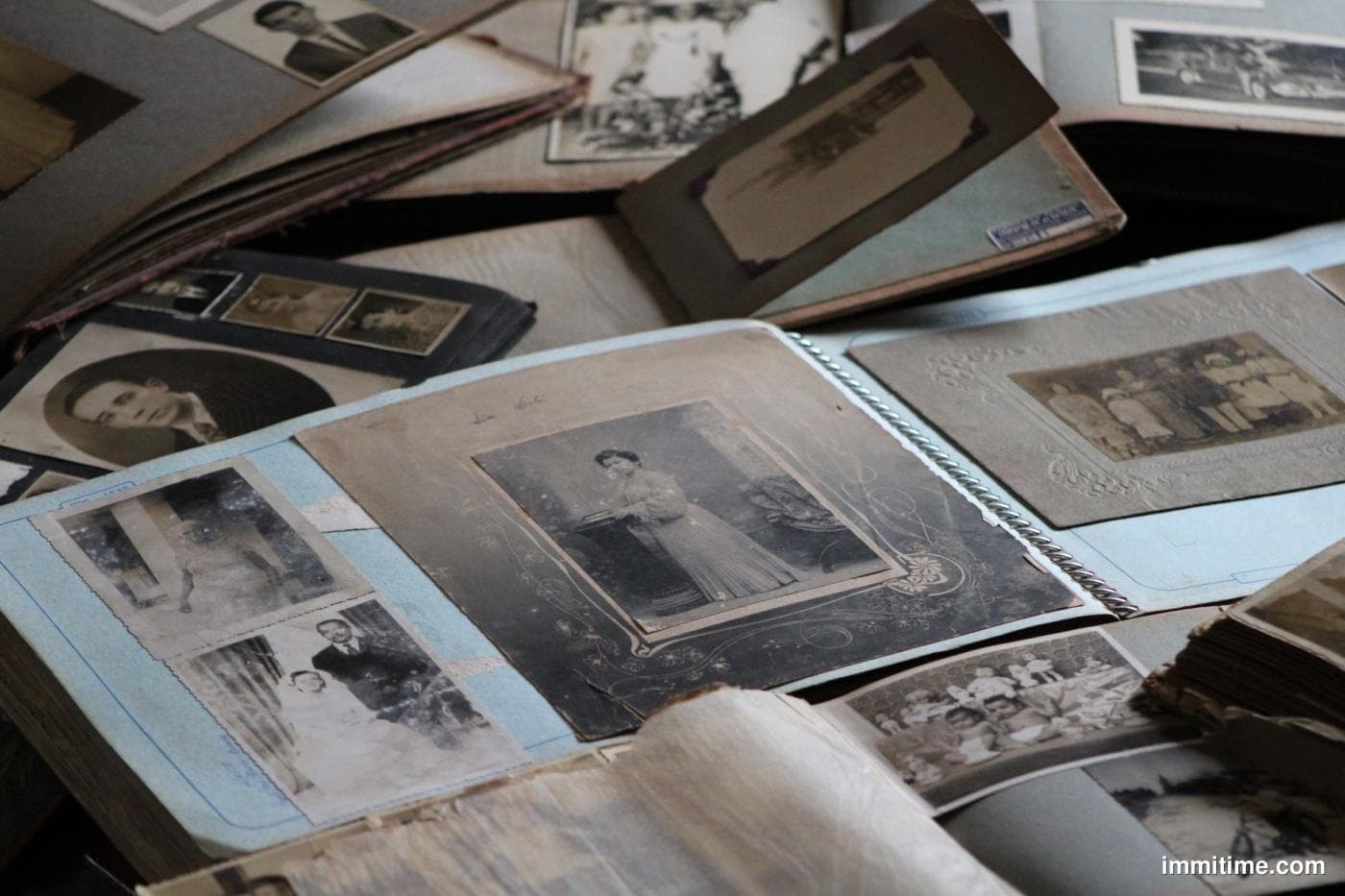
A paradox of the new rules is that the number of people eligible far exceeds the number who apply — largely because many Americans do not realize they qualify. The clues often hide in surnames and geography. Anglicized French names run across much of the United States: Roy softened to King, La Rivière to Rivers, and many dit names dropped their French half entirely. Maine has the highest share of French ancestry of any US state — close to one in five people, and nearer one in three in some northern counties. Their great-grandparents came down from Quebec between 1840 and 1930 — almost 900,000 of them — to work the textile mills, building parishes and French newspapers in neighbourhoods they called "Little Canadas."
Canadian heritage turns up well beyond New England, too. Some Cajun families in Louisiana carry a surname worn down from "Acadian" and descend from Canadians the British expelled from Nova Scotia in 1755. Canadian roots run deep through Michigan, Minnesota, and Wisconsin. A grandmother who "came from up north," or a branch of the family tree nobody can quite place, are the threads worth pulling. The arithmetic is what makes the search worthwhile: trace one ancestor, and you may uncover a claim for siblings, cousins, and their children at the same time. The genealogical work is done once and carries across the whole family — one person in Lewiston opening a filing cabinet can put a passport within reach of a nephew in Denver and a grandchild in Boise.
On applying
Gathering birth and marriage certificates across generations is the real work of a citizenship-by-descent application, and it is where an immigration lawyer can help. A single mismatch between a baptismal record and a birth certificate can stall a file for months. The wait is not trivial either: a proof-of-citizenship application takes about 19 months to process as of writing, though Canada's citizenship department can expedite a file when circumstances warrant.
What This Means for Applicants: For families weighing their options after the ruling, the citizenship-by-descent route is worth investigating precisely because it can be already-earned rather than applied-for. The first step is confirming whether an unbroken Canadian line exists; the second is assembling original-source records for every generation. Because one verified ancestor can unlock claims across an extended family, the genealogical effort — and, where records are old or in French, professional help — can pay off many times over.
Free Immigration Assessment
Complete our smart assessment form to check your eligibility for over 80+ Canadian immigration programs.
Last Updated: