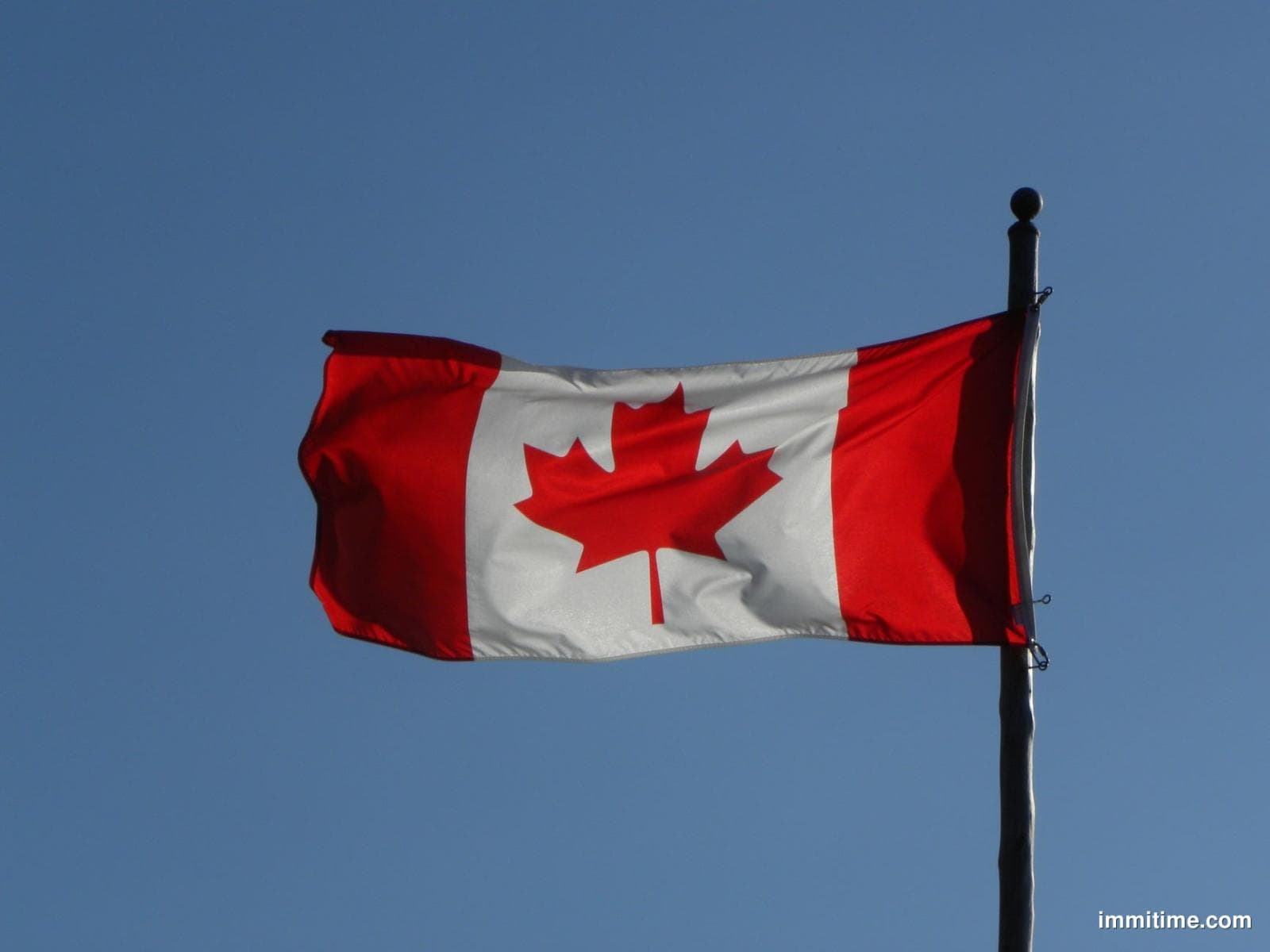
Unlocking Ancestral Ties: Canada's Citizenship Act Changes Pave Way for Millions, Including Shiloh Jolie, to Claim Dual Nationality
Canada's recent Citizenship Act changes, effective December 15, 2025, remove the first-generation limit, allowing millions with Canadian ancestry, including Shiloh Jolie, to claim dual citizenship. This article explores the historical context, application process, and practical implications of obtaining a Canadian passport.

Free Immigration Assessment
Complete our smart assessment form to check your eligibility for over 80+ Canadian immigration programs.
A New Era for Canadian Citizenship by Descent: The December 15, 2025 Amendments
The landscape of Canadian citizenship has undergone a significant transformation with recent amendments to the Citizenship Act, effective December 15, 2025. These changes have removed the restrictive 'first-generation limit' for individuals born before this date, thereby broadening the pathway to Canadian nationality for an unprecedented number of people worldwide. This legislative evolution is not merely a technical adjustment; it represents a profound redefinition of who can claim a birthright connection to Canada, extending its reach to generations previously excluded. As an expert immigration journalist and policy analyst, I will unpack the intricate details of this landmark policy shift, its historical context, and the tangible implications for prospective dual citizens, providing actionable insights for those seeking to affirm their Canadian heritage.
The Landmark Amendment: Expanding the Definition of Canadian Citizenship
Central to the recent policy overhaul is the removal of the 'first-generation limit' to inheriting Canadian citizenship. This crucial amendment, taking effect on December 15, 2025, specifically applies to individuals born before this date, allowing Canadian citizenship to be passed down through multiple generations born outside Canada. Previously, in many cases, citizenship by descent was generally restricted to the first generation born abroad to a Canadian parent. The new law rectifies this, ensuring that a direct, continuous line of descent from a Canadian ancestor, regardless of the number of generations born outside Canada, can now establish eligibility for citizenship.
The impact of this change is already evident, with high-profile individuals like Shiloh Jolie and her mother Angelina Jolie now recognized as U.S.-Canadian dual citizens. According to the news item, both became Canadian citizens when the new law came into force. This illustrates the broad sweep of the amendments, extending eligibility to individuals who may have had distant Canadian ancestry previously deemed insufficient under older regulations. For Shiloh Jolie, born in Namibia in 2006, the ability to claim Canadian citizenship stems from her lineage tracing back through her mother's side to Zacharie Cloutier, one of the earliest French settlers in Quebec. This connection, highlighted by genealogical research from Perche-Quebec and Geneanet.org, links her to a shared ancestry with other notable figures such as Madonna, Celine Dion, and Queen Camilla, through her grandmother Marcheline Bertrand and great-grandfather Rolland Bertrand, who had four Quebecois grandparents. Critically, the new framework means that even a single Canadian great-great-great-grandparent is sufficient to establish a right to Canadian citizenship.

Who Benefits? Millions of Americans and the Echoes of History
The implications of these changes resonate particularly strongly within the United States, where millions of Americans are now eligible for Canadian citizenship and the coveted Canadian passport based on their ancestral ties. The likelihood of such eligibility is notably high for those with family roots in the New England region. This demographic concentration is a direct legacy of a significant historical migration known as the 'Great Hemorrhage.'
Historical Roots: The 'Great Hemorrhage' and its Enduring Legacy
Between 1840 and 1930, a period spanning nearly a century, close to one million French-Canadians embarked on a substantial migration southward from Quebec to the American region now known as New England. This mass movement, meticulously documented by historians, has left an indelible demographic imprint. Research conducted by Patrick White indicates that an estimated 25% of present-day New Englanders can trace their lineage back to at least one Canadian ancestor. This deep-seated historical connection means that a substantial portion of the American population unknowingly possesses a direct, continuous line of descent from a Canadian, making them Canadian citizens under the new law, even if they were previously unaware of this potential.
Understanding the Path to Canadian Citizenship by Descent: Practical Steps
For individuals who can establish a continuous line of descent from a Canadian ancestor, the journey to formally recognizing their Canadian citizenship involves a clear, albeit sometimes document-intensive, process. It is crucial to understand that simply having Canadian ancestry does not automatically confer a Canadian passport; it first requires official recognition of one's citizenship status.
The Application Process: Proof of Citizenship First
The initial and most critical step for eligible individuals is to apply for a 'Proof of Canadian Citizenship.' This application formally requests Immigration, Refugees and Citizenship Canada (IRCC) to verify and confirm one's status as a Canadian citizen. Once this certificate is obtained, it serves as the definitive legal document proving Canadian nationality. Only after securing this proof can an individual then proceed to apply for a Canadian passport.
Navigating Documentation Challenges
The most time-consuming aspect for many applicants in this process is the diligent gathering of compliant copies of official documents required to meticulously trace their lineage. This typically includes birth certificates, marriage records, and death records. These documents must create an unbroken chain, linking the applicant directly back to their Canadian ancestor. For instance, to prove Shiloh Jolie's eligibility, extensive records would be needed to connect her through Angelina Jolie, Marcheline Bertrand, and Rolland Bertrand, all the way to Zacharie Cloutier. The rigor required in document collection underscores the importance of thorough genealogical research and meticulous organization.
Processing Timelines: What to Expect
Prospective applicants should be prepared for specific processing timelines. As of the time of writing, Canada's citizenship department indicates that it takes approximately one year to process a 'Proof of Canadian Citizenship' application. This substantial waiting period highlights the need for patience and proactive planning. Once the citizenship certificate is in hand, the application for a Canadian passport typically takes between 10 and 20 business days to process. While the passport application itself is relatively quick, the preceding proof of citizenship stage requires a significant commitment of time.
More Than Just a Passport: Implications for Dual Citizens
The motivations behind seeking dual citizenship with Canada often extend beyond an immediate desire to relocate. Many Americans, for example, are pursuing a Canadian passport primarily as a 'backup option' during uncertain times. This pragmatic approach reflects a desire for increased flexibility, global mobility, and the perceived stability and opportunities associated with Canadian citizenship. Having a Canadian passport can offer advantages such as easier travel to numerous countries, the ability to live and work in Canada without requiring a visa or work permit, and access to Canada's robust social services should one choose to reside there in the future.
Furthermore, the high-profile example of Shiloh Jolie's artistic debut, credited simply as 'Shi' in a K-pop music video, illustrates a personal drive for independence and merit. While her Canadian citizenship is now a fact, her efforts to earn recognition on her own terms, auditioning through an open casting call and being selected on merit alone, according to E! News, resonate with a broader narrative of individual aspiration that transcends national identity. Her story, as a private individual seeking to avoid 'riding her mother's coattails,' adds a unique human element to the policy discussion.
Expert Insight: What This Means for Prospective Applicants
For individuals now eligible under these revised laws, the opportunity is significant. However, it is crucial to approach the application process with diligence and a clear understanding of the requirements. The first step is to definitively establish your lineage. Utilize genealogical resources and historical records to trace your continuous line of descent. Once you are confident in your eligibility, begin the meticulous process of gathering all necessary official documents. Given the approximately one-year processing time for proof of citizenship, starting early and ensuring all documentation is compliant and complete can mitigate delays.
This policy change represents a forward-looking approach by Canada, acknowledging historical migrations and strengthening ties with its diaspora. For those with Canadian ancestry, it is not just a chance to obtain a passport; it is an opportunity to reclaim a piece of their heritage and secure a valuable asset for future flexibility in an ever-changing world.
Frequently Asked Questions
What is the key change in Canada's Citizenship Act?
Effective December 15, 2025, changes to Canada’s Citizenship Act removed the first-generation limit to inheriting Canadian citizenship for everyone born before that date, allowing citizenship to pass through more generations born outside Canada.
Who is eligible for Canadian citizenship under the new law?
Anyone who can trace a continuous line of descent from a Canadian ancestor, even a single great-great-great-grandparent, is now eligible for Canadian citizenship under the new law, provided they were born before December 15, 2025.
What is the process to obtain a Canadian passport after the law change?
First, eligible individuals must apply for 'Proof of Canadian Citizenship,' which takes approximately one year to process. Once this certificate is obtained, they can apply for a Canadian passport, which typically takes between 10 and 20 business days.
Why are many Americans interested in Canadian dual citizenship?
Many Americans are seeking Canadian dual citizenship and a Canadian passport as a 'backup option' during uncertain times, valuing the flexibility and security it offers, even if they have no intention of immediately moving to Canada.
What documents are needed to apply for Proof of Canadian Citizenship?
Applicants will need compliant copies of official documents tracing their lineage back to their Canadian ancestor, such as birth certificates, marriage records, and death records. Gathering these documents can be the most time-consuming part of the process.
Free Immigration Assessment
Complete our smart assessment form to check your eligibility for over 80+ Canadian immigration programs.
Last Updated: